Palace Intrigue Journey: The Ultimate Royal Strategy Experience
Immerse yourself in the world of royal politics, strategic alliances, and palace conspiracies
Table of Contents
Overview of Palace Intrigue Journey
Palace Intrigue Journey represents a groundbreaking achievement in the Indian gaming industry, blending historical authenticity with engaging strategic gameplay. This immersive experience transports players to the opulent courts of ancient Indian kingdoms, where every decision carries weight and consequences ripple through the narrative.
? Core Concept: Palace Intrigue Journey challenges players to navigate the complex social and political landscape of royal courts, where alliances shift like desert sands and trust is the most valuable currency.
Developed by a team of historians and game designers, the game meticulously recreates the atmosphere of medieval Indian palaces. From the intricate architecture to the elaborate court ceremonies, every element has been crafted to provide an authentic experience that educates while it entertains.
The narrative depth of Palace Intrigue Journey sets it apart from other strategy games. Rather than focusing solely on military conquest, players must master the subtle arts of diplomacy, espionage, and social manipulation to achieve their objectives.
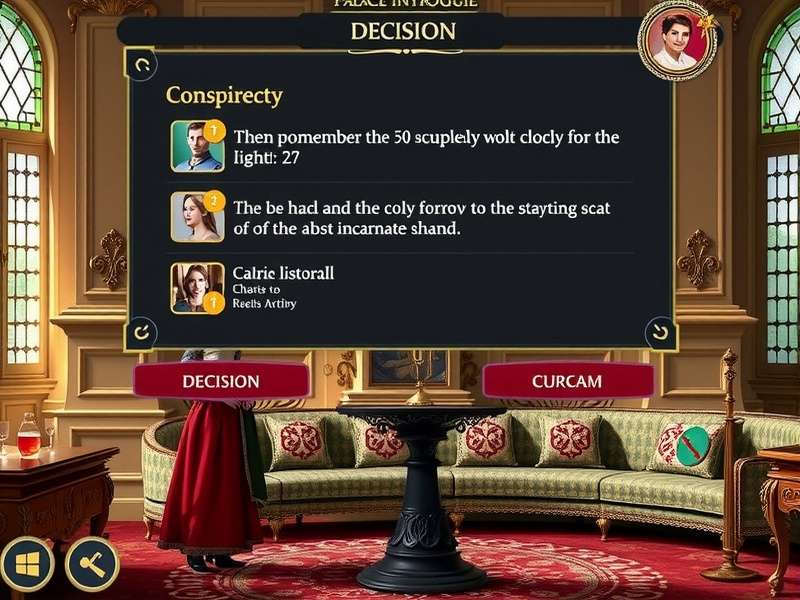
What makes Palace Intrigue Journey particularly compelling is its dynamic story system. Player choices genuinely matter, creating branching narratives that ensure no two playthroughs are identical. This replayability factor has contributed significantly to the game's enduring popularity.
Gameplay Mechanics
The gameplay of Palace Intrigue Journey combines turn-based strategy with real-time decision making. Players assume the role of a noble vying for influence within the royal court, balancing multiple resources including wealth, prestige, and political favor.
Resource Management
Success in Palace Intrigue Journey requires careful management of several key resources:
Wealth ?
Gold and treasures used to bribe officials, fund espionage, and maintain lavish lifestyle
Prestige ?
Social standing that determines how other characters perceive and respond to you
Influence ?️
Political power that enables you to sway decisions and control court proceedings
Loyalty ❤️
Allegiance of followers, guards, and allies who will support you in critical moments
Decision-Making System
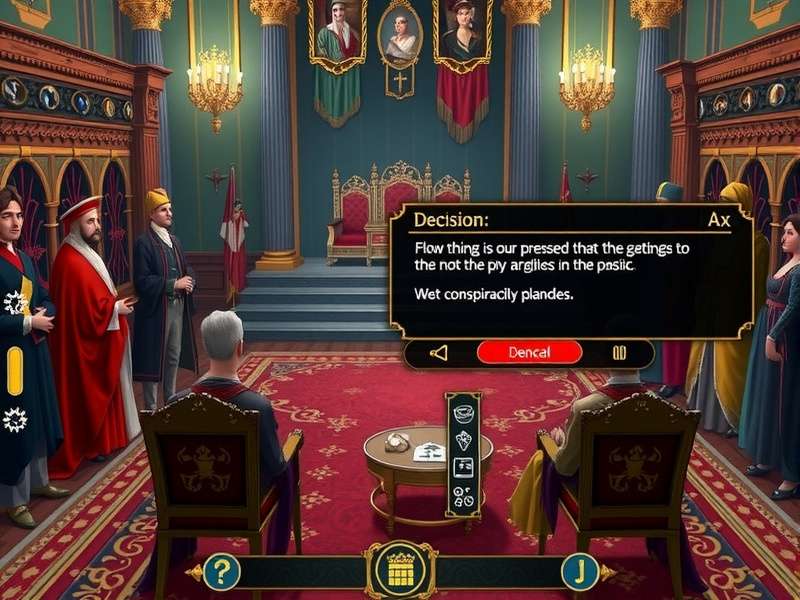
The heart of Palace Intrigue Journey lies in its complex decision-making system. Players face moral dilemmas, political crises, and personal conflicts that test their strategic thinking and ethical boundaries. Each choice affects multiple game systems simultaneously.
The game's innovative "Consequence Web" visually represents how decisions interconnect and impact various aspects of the game world. This transparency helps players understand the ramifications of their choices while maintaining the complexity that makes the gameplay engaging.
Key Features
Palace Intrigue Journey boasts an impressive array of features that contribute to its depth and replayability. These elements work together to create a rich gaming experience that appeals to both casual players and strategy enthusiasts.
Dynamic Relationship System
The relationship system in Palace Intrigue Journey goes beyond simple friendship or hostility metrics. Each non-player character has detailed personality traits, hidden agendas, and evolving opinions that respond realistically to player actions.
? Pro Tip: Pay close attention to character backstories and personal motivations in Palace Intrigue Journey. Understanding what drives each courtier can help you predict their actions and manipulate situations to your advantage.
Historical Authenticity
The development team conducted extensive research to ensure historical accuracy in Palace Intrigue Journey. From period-appropriate clothing and architecture to authentic political structures and social customs, every detail has been verified by historical consultants.
This commitment to authenticity extends to the game's narrative, which incorporates real historical events and figures while allowing players to explore alternative outcomes through their decisions.
Multi-layered Conspiracy System
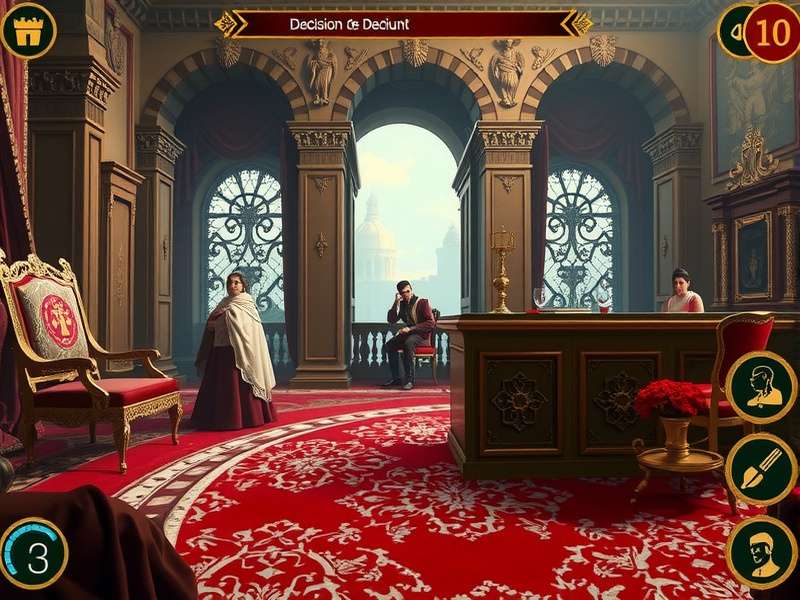
Palace Intrigue Journey features an advanced conspiracy system where multiple plots unfold simultaneously. Players can initiate their own schemes while needing to uncover and counter conspiracies directed against them.
The game tracks suspicion levels, evidence collection, and rumor propagation through sophisticated algorithms that create believable intrigue dynamics. Successful players learn to balance overt power moves with subtle manipulation behind the scenes.
Winning Strategies
Mastering Palace Intrigue Journey requires more than just understanding the game mechanics. Successful players develop sophisticated strategies that account for both immediate objectives and long-term goals.
Early Game Approaches
The initial stages of Palace Intrigue Journey are critical for establishing your position within the court. New players often make the mistake of pursuing obvious power grabs, which typically results in making powerful enemies before establishing adequate defenses.
A more effective approach involves focusing on information gathering and relationship building during the early game. Identify potential allies who share common interests, and learn the secrets and weaknesses of your rivals before making significant moves.
Mid-Game Expansion
Once you've established a secure position in Palace Intrigue Journey, the mid-game presents opportunities for expanding your influence. This phase requires careful balance between consolidation and advancement.
⚔️ Strategic Insight: In Palace Intrigue Journey, sometimes the most powerful move is supporting someone else's rise to power. By placing allies in key positions, you can exercise influence indirectly while maintaining plausible deniability for your actions.
Endgame Dominance
The final stages of Palace Intrigue Journey test everything you've learned throughout the game. By this point, your actions have created a web of alliances and enmities that will determine your available options for achieving ultimate victory.
Successful endgame strategies often involve misdirection and timing. Creating distractions while preparing your final move can catch opponents off guard, while premature reveals of your ultimate objectives can unite the entire court against you.
Character Profiles
Palace Intrigue Journey features a diverse cast of characters, each with unique personalities, motivations, and capabilities. Understanding these individuals is essential for navigating the complex social landscape of the royal court.
Major Factions
The court in Palace Intrigue Journey is divided into several major factions, each pursuing different agendas and possessing distinct strengths and weaknesses. Aligning with or opposing these factions significantly impacts your gameplay experience.
The Traditionalists prioritize maintaining established customs and hierarchies, while the Reformers seek to modernize the kingdom's institutions. The Merchant Guild wields economic power, and the Military Faction commands the kingdom's armed forces. Navigating the competing interests of these groups forms a core challenge in Palace Intrigue Journey.
Key Personalities
Beyond faction affiliations, individual characters in Palace Intrigue Journey have personal stories that unfold throughout the game. Developing relationships with these characters can unlock unique opportunities and narrative branches.
From the cunning spymaster who trades in secrets to the idealistic heir apparent struggling with the burdens of future leadership, each character adds depth to the game world. Their personal quests and evolving relationships with the player create emotional investment beyond the strategic gameplay.
Development History
The creation of Palace Intrigue Journey represents a significant milestone in Indian game development. Conceived as a passion project by a small team of developers, the game evolved through several iterations before achieving its current form.
Conceptual Phase
The initial concept for Palace Intrigue Journey emerged from the developers' fascination with historical Indian court politics. They noticed a gap in the gaming market for titles that explored the subtle power dynamics of royal courts rather than focusing exclusively on military conquest.
Early prototypes emphasized narrative complexity but struggled with balancing player agency against coherent storytelling. The breakthrough came with the development of the dynamic event system that allows the story to adapt to player decisions while maintaining narrative integrity.
Technical Innovations
Palace Intrigue Journey introduced several technical innovations that have since influenced other games in the strategy genre. The relationship algorithm that models complex social dynamics was particularly groundbreaking.
? Development Insight: The team behind Palace Intrigue Journey spent over two years refining the game's decision-consequence systems. They conducted extensive playtesting to ensure that player choices felt meaningful without creating narrative dead ends.
The visual design of Palace Intrigue Journey also represented a significant achievement. The art team conducted historical research to recreate architectural styles, clothing, and artifacts from the period, while adding stylistic elements that enhance gameplay clarity.
Critical Reception
Since its release, Palace Intrigue Journey has received widespread critical acclaim for its innovative gameplay, narrative depth, and historical authenticity. Reviewers have particularly praised the game's ability to make political maneuvering engaging and accessible.
Reviewer Praise
Gaming publications have highlighted different aspects of Palace Intrigue Journey in their reviews. Many noted the sophistication of the social simulation, which creates believable character behaviors and evolving political situations.
The narrative flexibility of Palace Intrigue Journey has also received significant attention. Critics appreciate how player choices genuinely reshape the story rather than simply leading to predetermined endings with minor variations.
Player Community
The player community around Palace Intrigue Journey has grown steadily since release, with dedicated forums and social media groups where players share strategies, discuss narrative branches, and create fan content.
This community engagement has contributed to the game's longevity, with player-discovered strategies and hidden narrative elements continuing to surface years after the initial release. The developers have actively supported this community through regular updates and engagement.
Future Updates and Expansions
The development team has outlined an ambitious roadmap for Palace Intrigue Journey that includes both free updates and premium expansions. These planned additions will further expand the game's mechanics, narrative possibilities, and historical settings.
Upcoming Features
Planned updates for Palace Intrigue Journey include enhanced modding support, allowing the community to create and share their own stories within the game's framework. This decision reflects the developers' commitment to extending the game's lifespan through user-generated content.
Additional character customization options and new decision types are also in development, giving players even more ways to approach the challenges of court politics. The team has indicated that these additions will integrate seamlessly with existing gameplay rather than complicating the core experience.
Expansion Content
The first major expansion for Palace Intrigue Journey will introduce court politics in different historical periods and regions, allowing players to experience the unique challenges of various royal traditions and political systems.
? Looking Ahead: The developers of Palace Intrigue Journey have hinted at multiplayer functionality in future updates, potentially allowing players to compete or cooperate in navigating the complexities of court politics.
These planned developments demonstrate the long-term commitment to Palace Intrigue Journey and suggest that the game will continue to evolve and expand for years to come. The combination of a solid foundation and ambitious future plans positions Palace Intrigue Journey as a landmark title in the strategy genre.
About This Encyclopedia Entry
This comprehensive guide to Palace Intrigue Journey represents the most complete resource available for understanding this groundbreaking game. The information has been compiled from official sources, developer interviews, and extensive gameplay analysis to provide both newcomers and experienced players with valuable insights.